
The Diversity of Italy's Indigenous White Wines
Italy has long been regarded as one of the world’s most important wine-producing countries, but increasingly, its greatest strength lies not simply in heritage, but in diversity. With hundreds of indigenous grape varieties grown across dramatically different landscapes and climates, Italy continues to offer sommeliers and consumers something many categories struggle to provide today: genuine discovery.
As wine lists increasingly move towards fresher, more terroir-driven and food-friendly styles, indigenous Italian white varieties are experiencing significant momentum within both the on-trade and specialist retail sectors. While international varieties still play an important role, there is growing demand for wines with regional identity, authenticity and a stronger sense of place.
From the alpine vineyards of Alto Adige to the volcanic terraces of Mount Etna, Italy’s indigenous white grapes are proving increasingly relevant to today’s consumer. These wines combine freshness, minerality and versatility while offering sommeliers a compelling point of difference from more saturated international categories.
Northern Italy: Alpine Freshness, Mineral Precision & Regional Identity
Northern Italy remains one of Europe’s most exciting sources of white wine, particularly as consumers increasingly seek fresher, lower-alcohol and more terroir-driven styles.
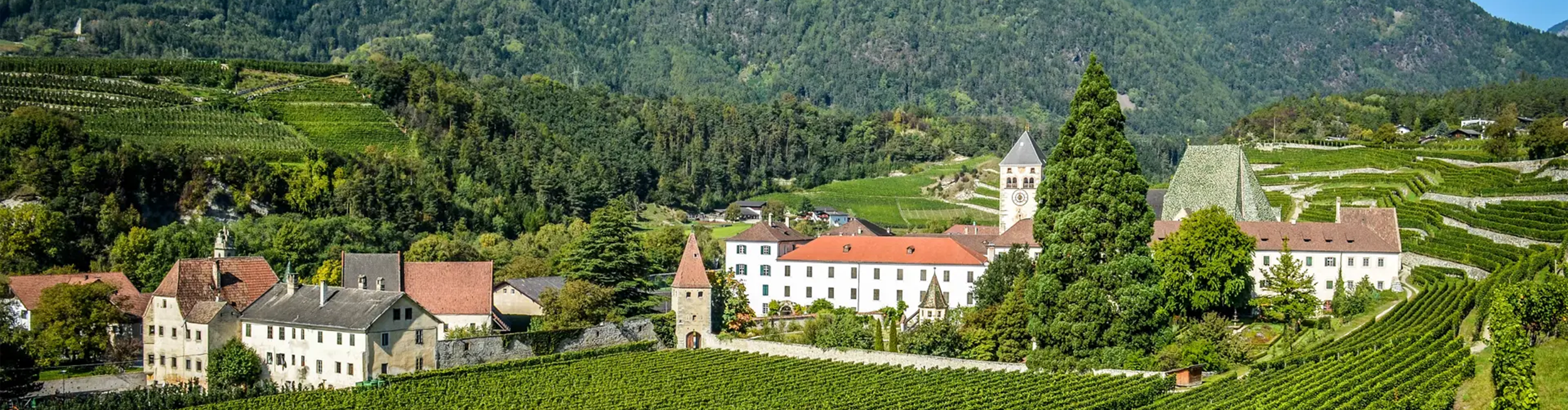
Alto Adige: Kerner & Sylvaner at Abbazia di Novacella
Founded in 1142, Abbazia di Novacella remains Italy’s northernmost winery and one of the benchmark producers of alpine white wines. Located in the Isarco Valley at the foothills of the Alps, the vineyards reach elevations of up to 900 metres above sea level. Warm days and dramatically cool nights allow grapes to ripen slowly while retaining remarkable acidity and aromatic precision.

Abbazia di Novacella Kerner Alto Adige Valle Isarco DOC
The estate’s Kerner thrives on mineral-rich schist and glacial soils, producing a wine of exceptional freshness and energy. Aromas of apricot, citrus peel and white pepper lead into a vibrant palate layered with stone fruit, mountain herbs and pronounced minerality. Vinified entirely in stainless steel to preserve purity and varietal clarity, the wine has become one of Alto Adige’s defining modern white styles.

Abbazia di Novacella Sylvaner Alto Adige Valle Isarco DOC
Sylvaner offers a broader and more textured expression. Grown on steep hillside vineyards with gravelly alpine soils, the wine combines orchard fruit, alpine flowers and subtle herbal notes with a more rounded palate shape and saline mineral tension. The cool-climate terroir provides freshness while extended lees ageing adds texture and complexity, creating a style increasingly sought after by sommeliers looking for gastronomic alpine whites.
For more information about Abbazia di Novacella Wines, please contact your Account Manager. Or, if you are not yet a customer, Contact Us to discuss opening an account.
Veneto: Garganega, Pinot Grigio & Manzoni Bianco
In eastern Valpolicella, Tenuta Sant'Antonio has become one of Veneto’s most respected modern producers, pioneering fresher and more elegant styles from higher-altitude hillside vineyards.
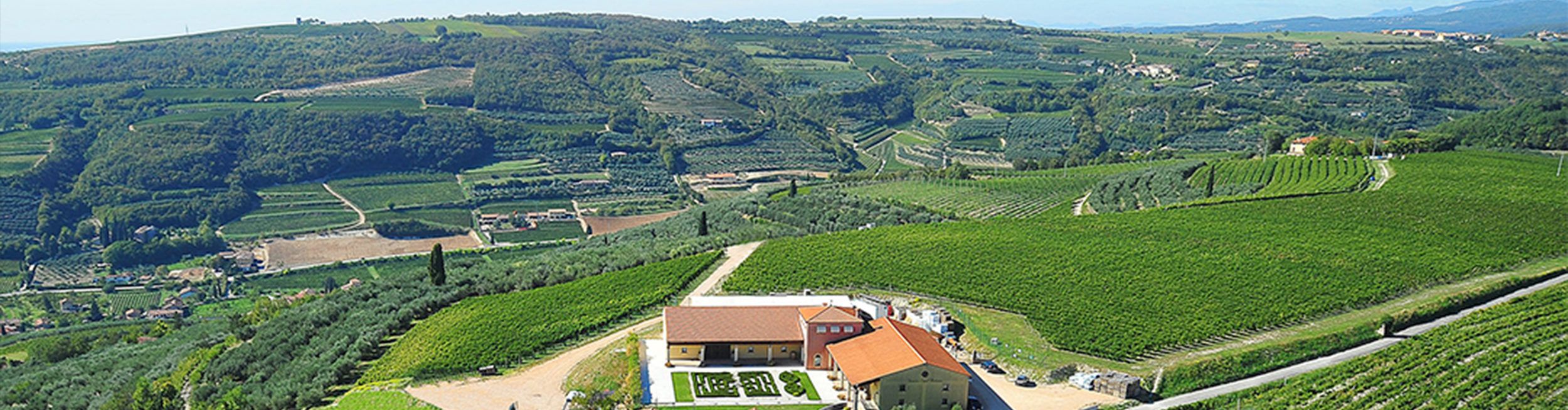

Tenuta Sant’Antonio Famiglia Castagnedi Monte Di Colognola Soave
Monte di Colognola Soave is produced from Garganega grown on volcanic soils rich in basalt and limestone. These hillside vineyards experience significant day-to-night temperature variation, preserving freshness and aromatic detail. Vinified predominantly in stainless steel, the wine shows delicate aromas of white flowers, pear and citrus blossom alongside subtle almond and mineral notes. The palate is textured yet vibrant, balancing orchard fruit with crisp acidity and a saline finish.

Tenuta Sant’Antonio Famiglia Castagnedi Monte Ceriani
Monte Ceriani, sourced from higher-altitude volcanic vineyards, offers a more concentrated and complex expression of Garganega. Lower yields and extended lees ageing contribute additional texture and depth, while the volcanic soils provide smoky minerality and tension. Aromas of ripe peach, chamomile and citrus peel are layered with almond and subtle spice, creating a wine of both richness and precision.

Savian Organic Pinot Grigio
Savian Vini Pinot Grigio demonstrates how Italy’s most commercially important white grape can still deliver quality and authenticity when produced with care. Organically farmed vineyards on alluvial clay soils near the Adriatic retain freshness through cooling maritime influences. Gentle stainless steel vinification preserves aromas of pear, citrus and white flowers, while the palate combines crisp acidity with subtle mineral freshness and impressive balance.

Loredan Gasparini Manzoni Bianco Marca Trevigiana IGT
Meanwhile, Loredan Gasparini Manzoni Bianco showcases one of northern Italy’s most intriguing lesser-known varieties. A crossing of Riesling and Pinot Bianco, the grape thrives in the mineral-rich clay and gravel soils of Montello. Fermented at cool temperatures to preserve aromatics, the wine combines citrus blossom, stone fruit and subtle tropical notes with vibrant acidity and remarkable freshness.
For more information about our Veneto wine selection, please contact your Account Manager. Or, if you are not yet a customer, Contact Us to discuss opening an account.
Friuli: Ribolla Gialla & Collio Precision
Few indigenous varieties are generating as much momentum as Ribolla Gialla. At Tenimenti Civa, Valerio Civa has become one of the leading modern ambassadors for the grape, producing wines that combine freshness, versatility and broad gastronomic appeal.
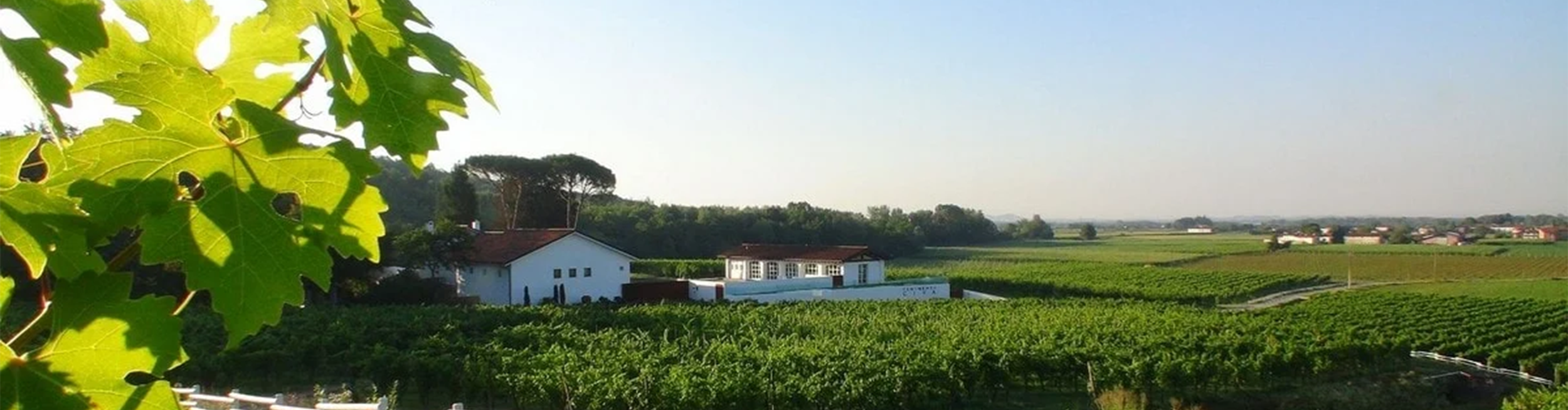

Tenimenti Civa Flôr Ribolla Gialla Vigneto Bellazoia Friuli Colli Orientali DOC
Bellazoia Ribolla Gialla is sourced from the Colli Orientali hills of Friuli, where marl and sandstone soils known locally as “ponca” provide both minerality and structure. Vinified in stainless steel to preserve purity and freshness, the wine offers citrus blossom, green apple and saline mineral notes with crisp acidity and remarkable drinkability.

Tenimenti Civa Ribolla Gialla Extra Brut Cuvée 12
Cuvée 12 Extra Brut takes Ribolla Gialla in a different direction. Produced using the Charmat method with 12 months lees ageing — the inspiration behind the wine’s name — it develops greater complexity and texture while retaining freshness. Fine mousse, citrus peel, white flowers and subtle brioche notes create a sparkling wine that feels both modern and distinctly regional.

Ronco Blanchis Collio Vino da Uve Autoctone DOC
Nearby, Ronco Blanchis Vino da Uve Autoctone Collio DOC highlights Friuli’s reputation for elegant white wines and indigenous varietals. Translating roughly as “wine from native grapes”, the category focuses on blends produced exclusively from local indigenous varieties — something only a small number of producers continue to champion today. Ronco Blanchis combines Friulano, Malvasia Istriana and Ribolla Gialla, each contributing a different dimension to the wine: Friulano brings texture and almond notes, Malvasia Istriana contributes aromatics and freshness, while Ribolla Gialla adds acidity and mineral tension. Grown on Collio’s famous ponca soils, the wine combines floral aromatics, orchard fruit and saline minerality with layered texture and remarkable finesse, offering a distinctive expression of Friuli’s historic white wine culture.
For more information about our Friuli wine selection, please contact your Account Manager. Or, if you are not yet a customer, Contact Us to discuss opening an account.
Piedmont: Arneis & Gavi
While Piedmont is globally recognised for Nebbiolo, the region also produces some of northern Italy’s most refined and gastronomic white wines.
Marchesi di Barolo continues to champion Piedmont’s white wine potential through both Roero Arneis DOCG and Gavi del Comune di Gavi DOCG.
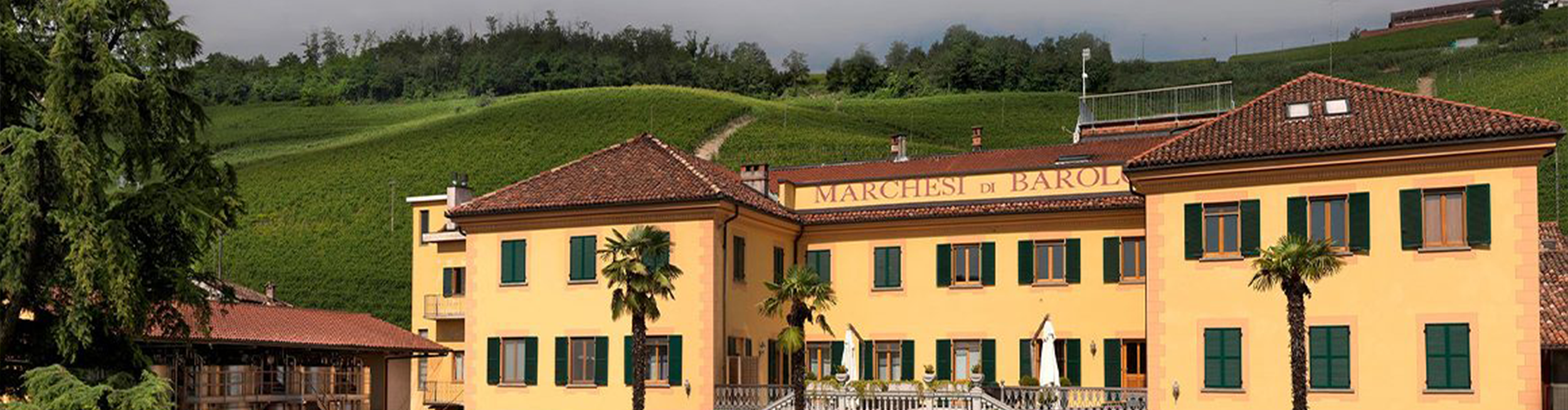

Marchesi di Barolo Roero Arneis DOCG
Roero Arneis, grown on sandy soils in the Roero hills, combines floral aromatics, ripe pear and stone fruit with gentle texture and refreshing acidity. Traditionally known as “the white wine of Barolo,” Arneis offers consumers a more discovery-led alternative to familiar international whites while maintaining broad accessibility and versatility on the table.

Marchesi di Barolo Gavi del Comune di Gavi DOCG
Gavi del Comune di Gavi DOCG, produced from Cortese grown on limestone-rich soils, delivers a more linear and mineral-driven style. Fresh citrus, green apple and saline notes combine with vibrant acidity and subtle almond character, explaining why Gavi remains one of Italy’s most commercially successful restaurant white wine categories.
Central Italy: Freshness, Heritage & Gastronomic Versatility
Central Italy’s indigenous white wines continue to play an increasingly important role within the premium on-trade, combining accessibility, freshness and strong regional identity. These are wines that often over-deliver in terms of versatility and food compatibility while offering sommeliers opportunities to introduce guests to historic Italian varieties beyond more familiar international categories.
Abruzzo: Trebbiano d’Abruzzo

Colle Corviano Trebbiano d’Abruzzo DOC
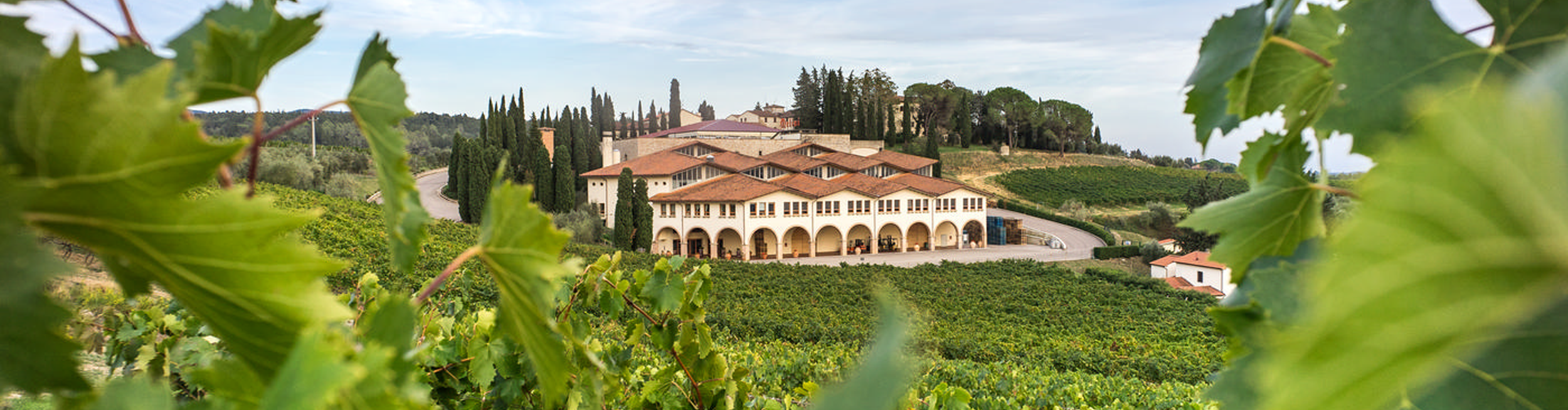
Colle Corviano Trebbiano d’Abruzzo is sourced from vineyards neighbouring the legendary Valentini estate, benefiting from Adriatic influences and cooling mountain breezes from the Apennines. Stainless steel vinification preserves freshness and varietal purity, while limestone and clay soils contribute subtle minerality and texture. Aromas of citrus blossom, green apple and white peach lead into a crisp palate layered with Mediterranean herbs and bright acidity, demonstrating the quality potential of modern Trebbiano.
Lazio: Frascati Beyond Tradition

Fontana Candida Luna Mater Frascati Superiore Riserva DOCG
Fontana Candida Luna Mater Frascati Superiore Riserva DOCG highlights the growing quality potential of Frascati beyond its historic reputation as a simple trattoria wine. Produced from hillside volcanic vineyards south of Rome, the wine benefits from mineral-rich soils formed by ancient volcanic activity. A blend dominated by Malvasia varieties, Luna Mater undergoes partial oak ageing and lees maturation, adding texture and complexity while retaining freshness. Aromas of ripe peach, acacia blossom and citrus peel are layered with almond, spice and subtle smoky minerality. The palate is rounded yet vibrant, balancing Mediterranean richness with elegant acidity and impressive structure.
Tuscany: Vernaccia di San Gimignano

Melini Le Grillaie Vernaccia di San Gimignano DOCG
Meanwhile, Melini Le Grillaie Vernaccia di San Gimignano DOCG showcases one of Italy’s oldest documented white wine appellations. Grown on sandy clay and marine fossil soils surrounding the medieval hilltop town of San Gimignano, Vernaccia combines freshness with distinctive savoury minerality. Fermented in stainless steel to preserve aromatic precision, the wine offers citrus blossom, green apple and pear alongside subtle almond and saline notes. The palate is crisp and textured, with vibrant acidity and a gently savoury finish that makes Vernaccia one of Tuscany’s most gastronomic white wine styles.
Southern Italy & The Islands: Mediterranean Energy & Volcanic Character
Southern Italy and the islands continue to produce some of the country’s most characterful and exciting white wines, combining Mediterranean ripeness with freshness and strong regional identity.
Sardinia: Maritime Freshness & Vermentino

Cantina Santa Maria La Palma Vermentino di Sardegna DOC
From Sardinia, Cantina Santa Maria la Palma Vermentino di Sardegna captures the maritime freshness of the island beautifully. Coastal vineyards exposed to sea breezes help retain acidity despite the warm Mediterranean climate. Aromas of citrus, white peach and Mediterranean herbs are supported by saline minerality and refreshing acidity, making Vermentino increasingly popular within premium on-trade wine lists.
Western Sicily: Modern Zibibbo

Baglio Assuli Dardinello Zibibbo Sicilia DOC Bio
In western Sicily, Baglio Assuli Zibibbo offers a modern dry interpretation of one of the island’s oldest aromatic varieties. Grown under intense Mediterranean sunshine on mineral-rich soils, the wine combines exotic aromatics of orange blossom, citrus and tropical fruit with crisp acidity and subtle saline freshness. Carefully controlled fermentation in stainless steel preserves the grape’s vibrant aromatics while maintaining balance and drinkability.
Etna: Carricante & Volcanic Precision
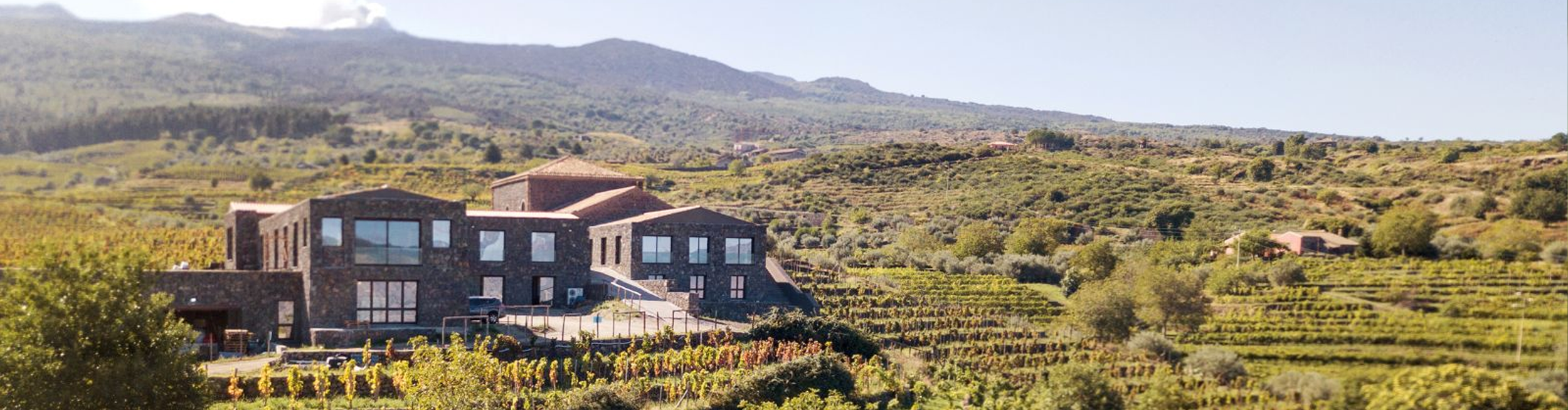
On the volcanic slopes of Mount Etna, some of Italy’s most exciting and terroir-driven white wines are emerging from high-altitude vineyards shaped by lava, ash and dramatic day-to-night temperature variation. Here, indigenous Carricante thrives on mineral-rich volcanic soils, producing wines of remarkable freshness, salinity and longevity.

Palmento Costanzo Mofete Bianco Etna Bianco DOC
Palmento Costanzo continues to produce some of Sicily’s most terroir-driven white wines. Mofete Bianco DOC Etna is produced primarily from Carricante grown on ancient lava terraces at high altitude. Volcanic soils rich in ash and minerals contribute pronounced salinity and smoky minerality, while the cool nights preserve exceptional freshness. Aromas of lemon zest, grapefruit, wild herbs and flint lead into a focused palate with remarkable tension and length.

Palmento Costanzo Contrada Santo Spirito Etna Bianco DOC
Santo Spirito Bianco, sourced from old vines in the prestigious Santo Spirito contrada, offers an even more profound expression of Etna Bianco. The old bush vines, volcanic soils and altitude combine to produce a wine of extraordinary concentration and complexity. Extended lees ageing adds texture and depth, while vibrant acidity and saline minerality maintain precision throughout the palate. Wines such as these are increasingly defining the future of premium Italian white wine.

IDDA Etna Bianco DOC
Alongside this, Idda Bianco represents one of the most significant recent developments on Etna. A collaboration between the Gaja family and Graci, the project focuses on expressing the elegance and tension of Etna’s southern slopes through Carricante. Grown at altitude on volcanic soils rich in lava stone and mineral deposits, the wine is vinified with remarkable precision to preserve purity and site expression. Aromas of citrus peel, white flowers and crushed stone lead into a palate defined by saline minerality, vibrant acidity and layered texture. Combining the precision associated with Gaja alongside Etna’s dramatic volcanic identity, Idda Bianco has quickly become one of Sicily’s most sought-after modern white wines.
As wine lists continue to evolve towards fresher, more distinctive and provenance-led styles, indigenous Italian white varieties are becoming increasingly important within modern wine programmes. For sommeliers and independent merchants alike, they offer not only authenticity and food compatibility, but genuine opportunities for differentiation, storytelling and discovery.